Post
Underrated SNES RPGs Worth Tracking Down
Seven Super Nintendo RPGs that didn't make the canonical top-ten lists, and why each one is still worth a weekend.
The Super Nintendo's RPG canon is set in concrete at this point. Chrono Trigger, Final Fantasy VI, Earthbound, Secret of Mana, A Link to the Past if you stretch the genre. I'm not here to argue with any of those. I'm here to talk about the second shelf. The games that get name-dropped in Reddit threads and then forgotten. The Japan-only oddities that never got a proper release. The Enix curios that got overshadowed by the same month's Square release. Seven of them. All worth a weekend. Some worth a month.
1. Lufia II: Rise of the Sinistrals
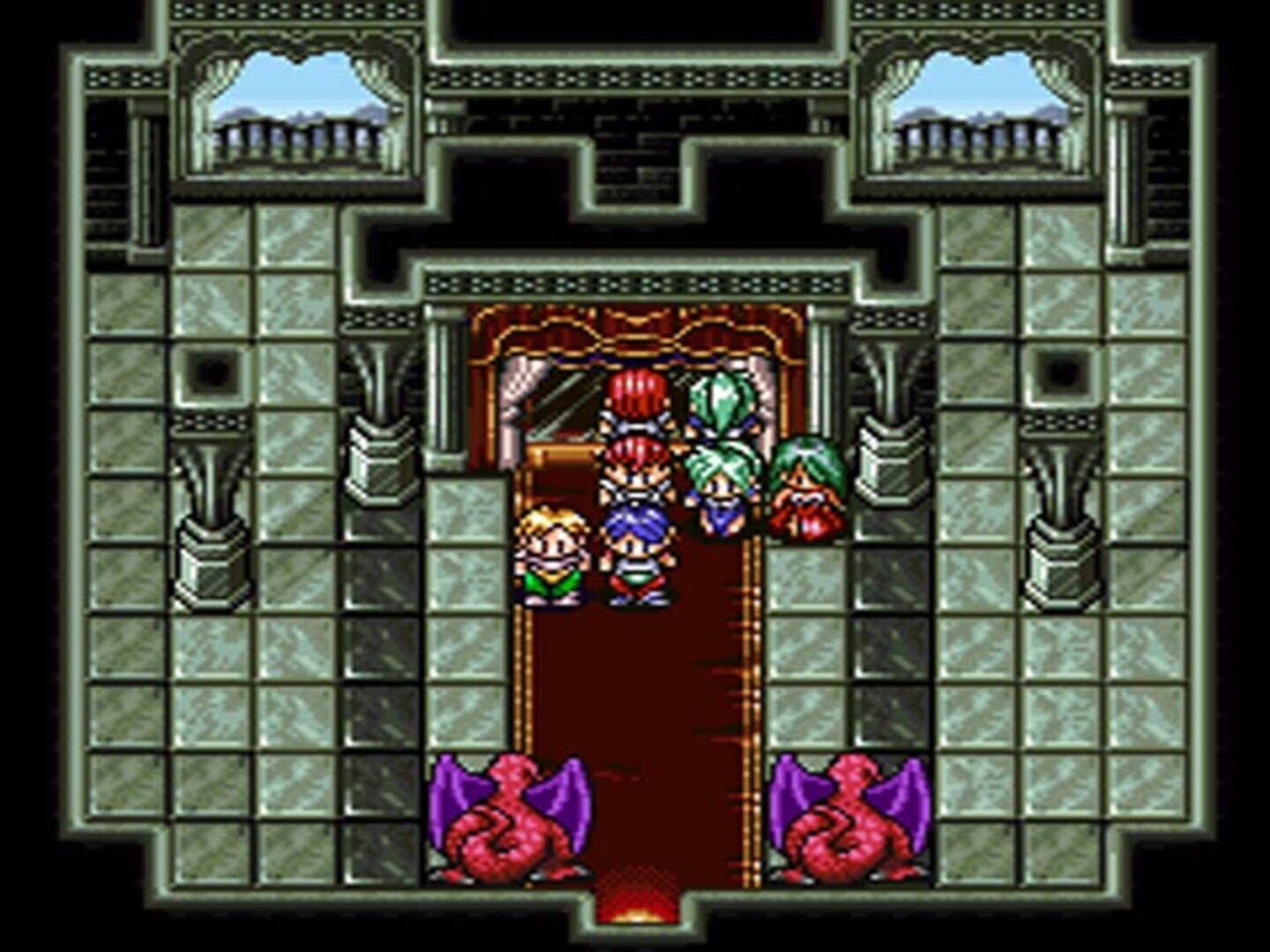
Lufia II is the quiet best-in-class for dungeon design on the system. Every room is a puzzle. Not in the loose "push a block" way most JRPGs do it, but in the "this is a Zelda dungeon wearing JRPG clothes" way. You place bombs, you freeze slimes into stepping stones, you chain arrow shots off walls. The Ancient Cave procgen dungeon alone is worth the price of admission and it predates roguelite JRPGs by about fifteen years. The combat is standard fare. The story is a prequel that pays off its tragedy in a way I still think about. Track down the US cart or the fan retranslation; the 3DS remake is its own separate thing and not a replacement.
2. Illusion of Gaia
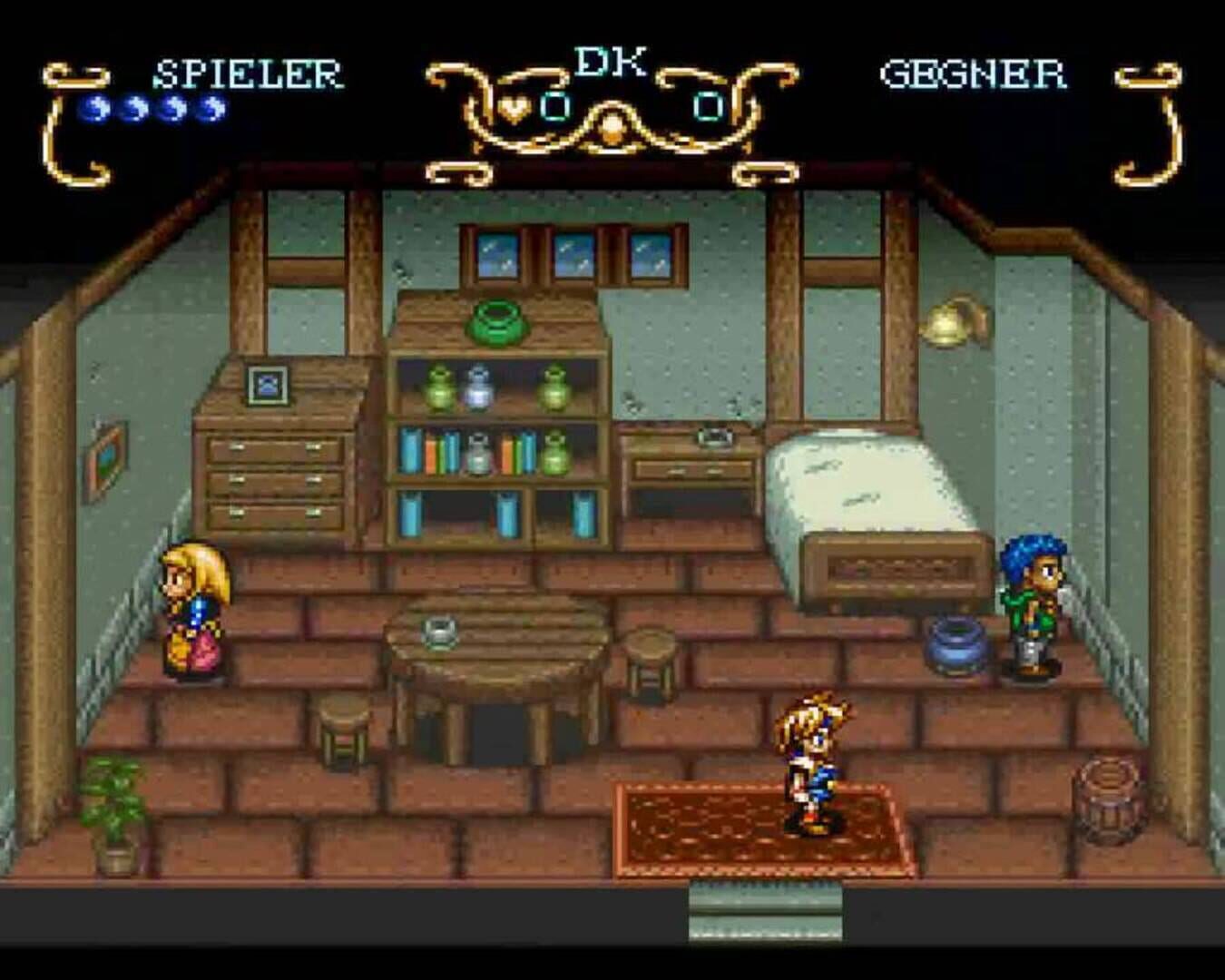
Quintet again. The middle entry of the Soul Blazer trilogy and the one that actually released in the US without fanfare. Illusion of Gaia is an action RPG with a globe-trotting plot that sends a teenage kid through real-world mythological set pieces: Incan ruins, Angkor Wat, the Great Wall, the Pyramid. The level design is tight and the combat is punchier than most SNES action RPGs have any right to be. What people remember, if they played it, is the weirdly melancholy tone. Kids die in this game. Named party members don't make it. For a 1994 Enix release aimed at teens it's stranger and sadder than it had to be, and that's why I still pull it out.
3. Bahamut Lagoon
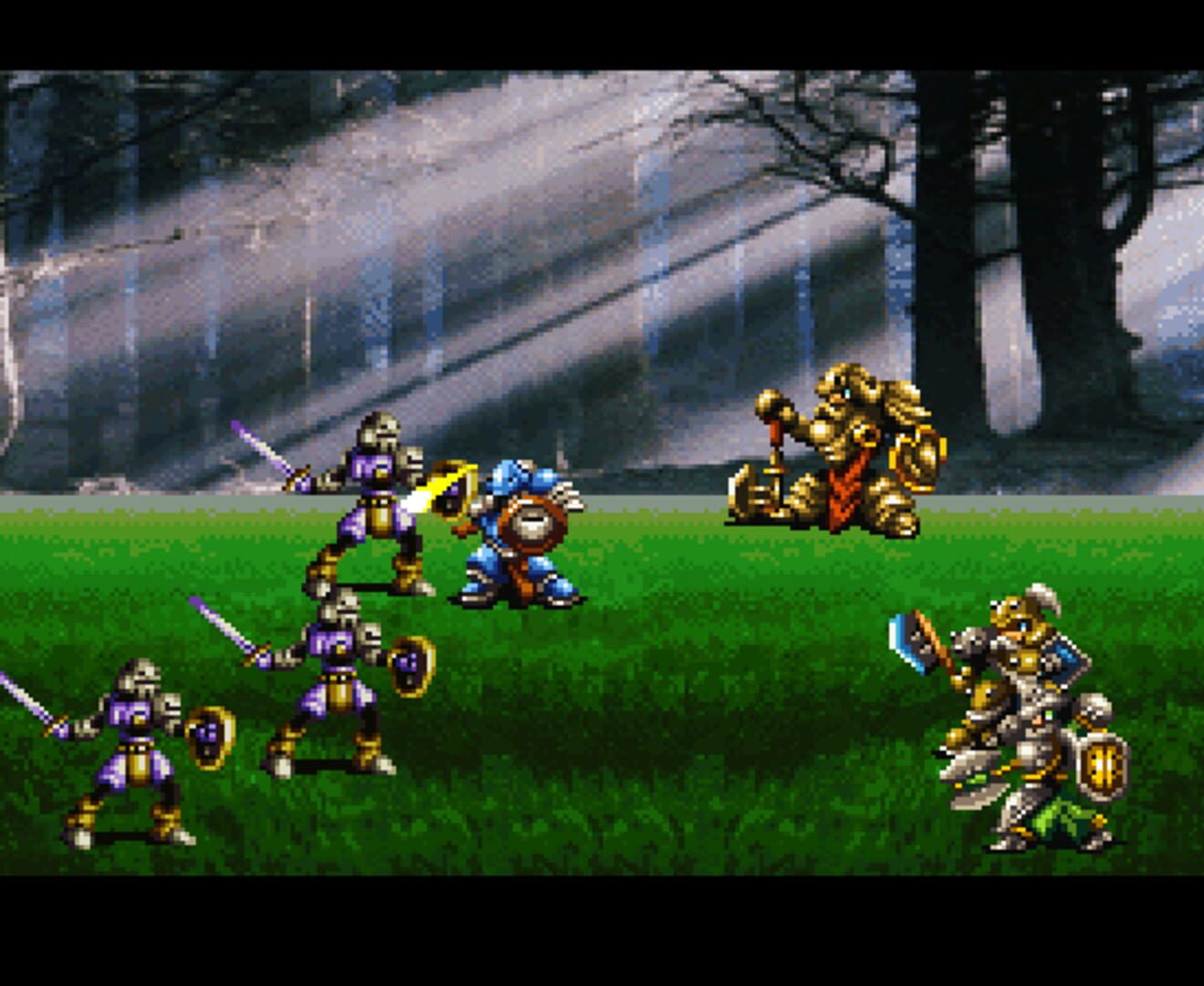
Square made a dragon-raising tactical RPG in 1996, kept it in Japan, and then the entire West spent two decades wondering why Pokémon got to Gen 2 before anyone else tried this idea. Bahamut Lagoon has you commanding squads of humans buffed by dragons you feed, train, and evolve by handing them items. Sardines turn a dragon into one thing. A cursed sword turns it into another. The tactical layer is good, the story is Matsuno-adjacent court intrigue in airships, and the spritework is Square at its mid-90s peak. The Near-branded fan translation from a few years back is genuinely one of the best ever done. No excuses now.
4. Rudra no Hihou (Treasure of the Rudras)

Another late-era Square Japan-only. Rudra's hook is the mantra system: you type in made-up spell names and the game parses them based on phonetic roots. "Gigafire" does more damage than "fire" and less than "omegaflame," and you build spell libraries for each party member by experimenting with syllables. It sounds gimmicky written down. In practice it turns half the game into language play, which no RPG since has really tried to match. The three-protagonist structure plays out across a seven-day countdown to the end of the world, and the parallel stories converge in a way that punches way above the cartridge's weight. Fan translation only. Worth the setup.
5. Secret of Evermore
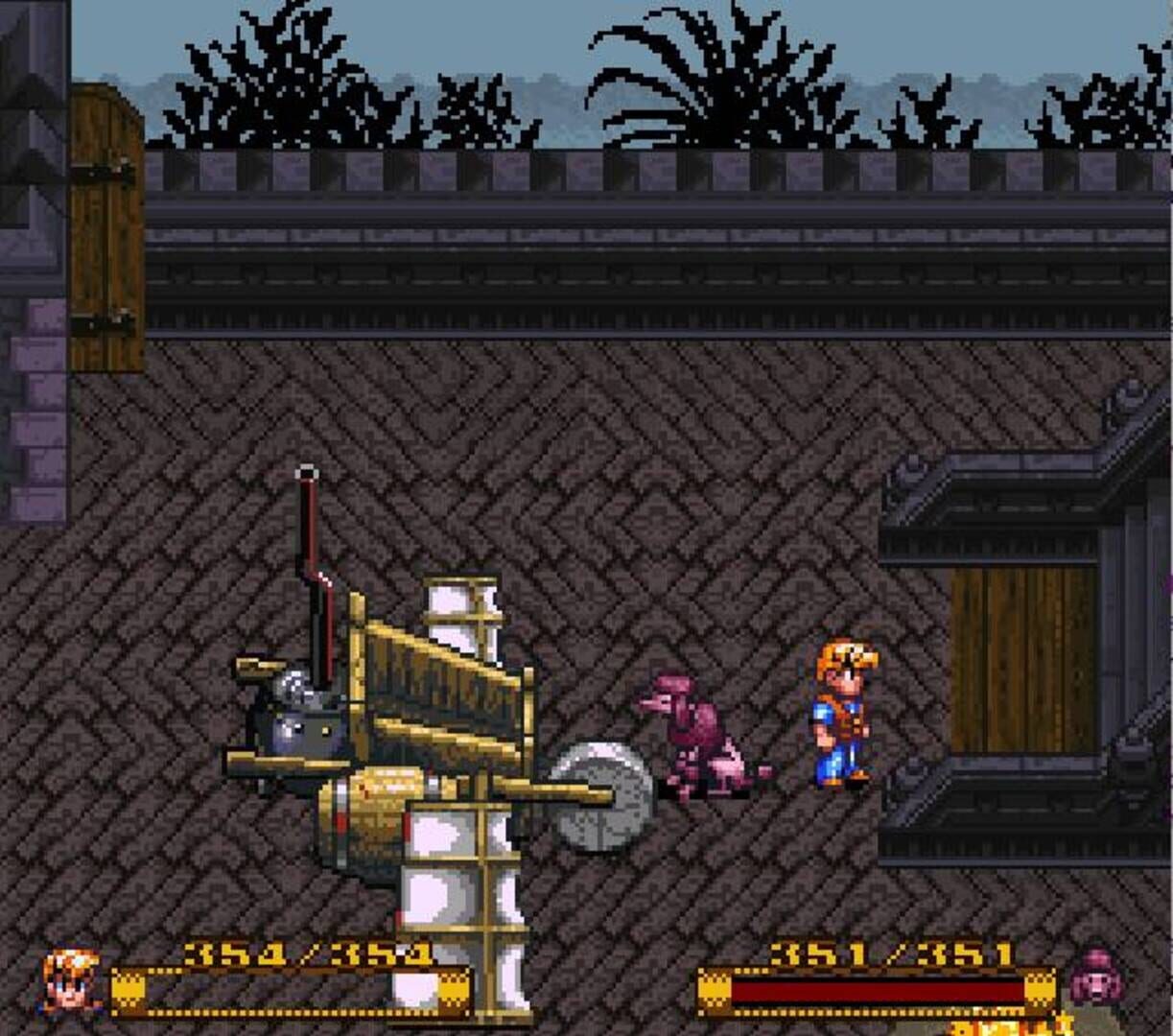
Secret of Evermore catches a lot of unfair smoke for not being Seiken Densetsu 3. It's not. It's also a weird, charming, moody action RPG made by a Square USA team that never shipped another game, built around an alchemy crafting system that lets you mix reagents into spells on the fly. The setting is a B-movie fever dream: an American kid and his dog fall into a simulation that jumps between prehistoric jungle, a Roman-inspired city, a gothic castle, and a chrome science-fiction future. Jeremy Soule's first commercial score is under this thing. I get why Mana fans felt burned in 1995. Played on its own terms in 2026, it's a genuinely odd gem.
6. Ogre Battle: The March of the Black Queen
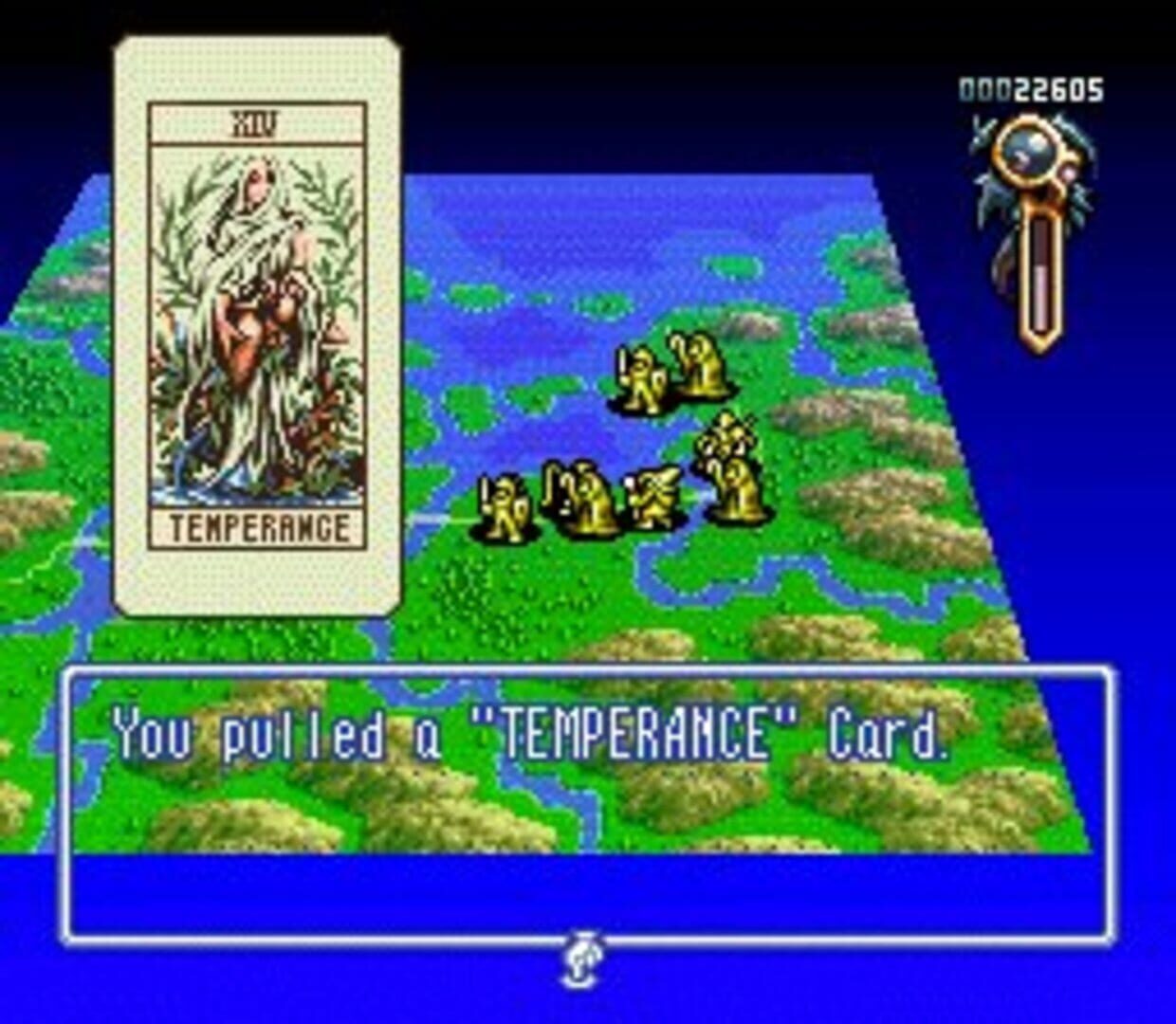
Before Tactics Ogre, Matsuno and Quest made this: a real-time-with-pause army strategy game with branching alignment mechanics, multiple endings, and a Tarot-card class system. You move units across an overworld map, auto-resolved battles play out when squads collide, and your public alignment shifts based on how you liberate towns and which units you field. Freeing a town with a high-level lawful unit tanks your chaos stat and changes which characters join you. Thirteen endings. No hand-holding. It's the game March of the Black Queen fans were still chasing ten years later on PS1 and never quite caught. The SNES version is the clean one.
7. Soul Blazer

The Quintet trilogy starter, and the one nobody talks about because it's the simplest of the three. I'm including it because the core loop is still so specific. You're an angel clearing monster lairs to resurrect a world, and every kill literally rebuilds a piece of the overworld: a house appears, a person returns, a forest regrows, a bridge reconstructs. The gameplay is straightforward top-down action RPG stuff. The feeling is not. There's a slow, quiet satisfaction to watching civilization come back one enemy at a time that Terranigma would later turn into an epic and Illusion of Gaia would turn into a tragedy. Soul Blazer is the prototype and it still works.
None of these are the "you must play this" canonical SNES RPGs. The canon is already well-served. This is the second shelf, and the second shelf is where the SNES actually gets interesting. If any of them are sitting in your library as a ROM dump you never got around to, drop them into StackPop and let the random picker hand you one on a Tuesday. That's how I got back to Lufia II last fall, and I'm still working through the Ancient Cave.
Did this land?