Post
10 SNES games I keep coming back to
A personal, slightly contrarian top 10. No Mario. No DKC. Fight me.
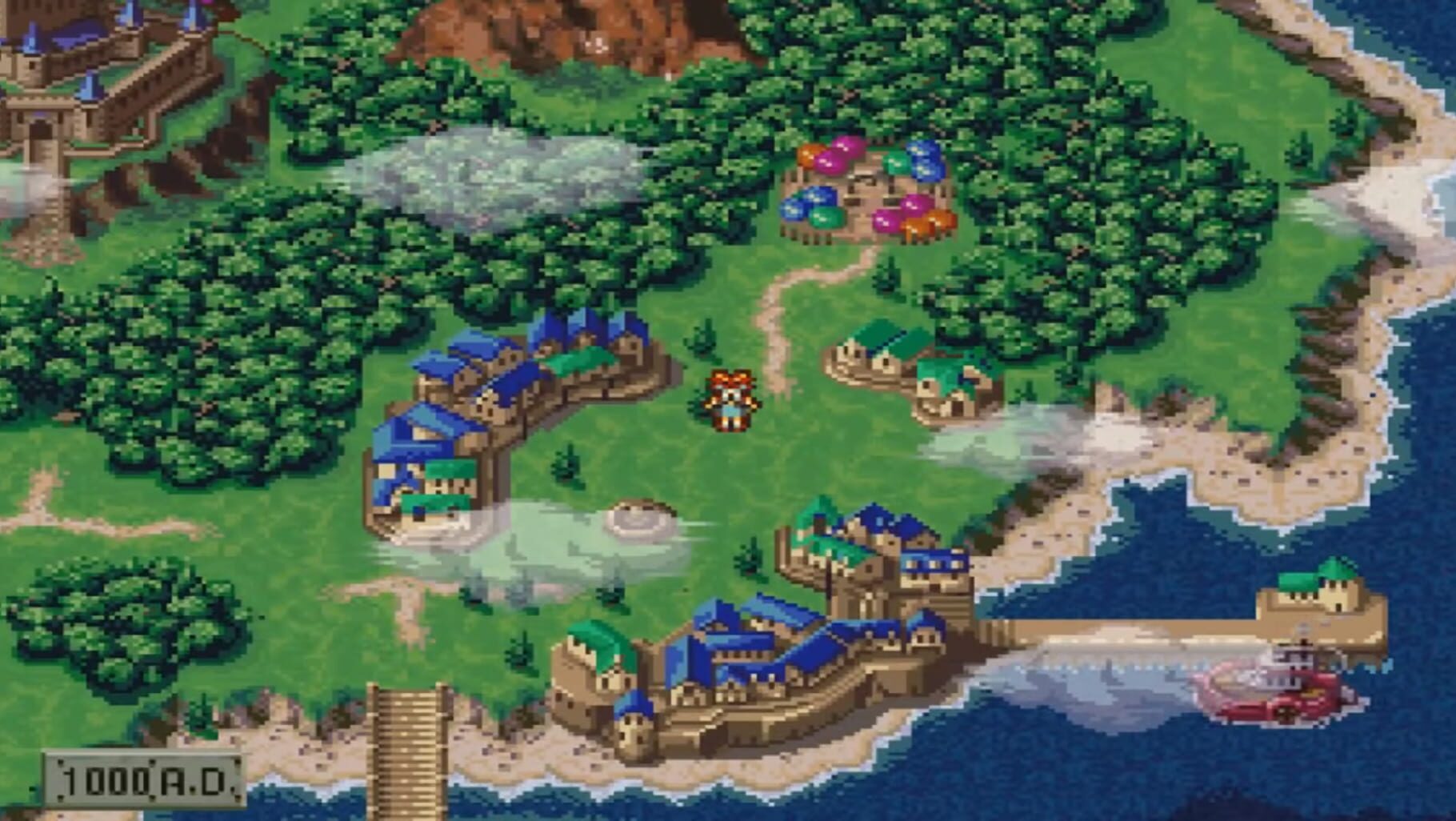
Every couple of years I drag the Super Nintendo back out and start the same fight with myself: which ten games are the ten games. This is my answer for 2026. No Super Mario World. No Donkey Kong Country. No Yoshi's Island. I respect those games, I just don't keep coming back to them. The ten below I do. Some are obvious. A few aren't. All ten still hold up if you load them tonight.
1. Chrono Trigger
You knew it would be number one. Skipping it would be a bit. What I want to say instead is that Chrono Trigger is the rare RPG where I can name the moment I fall in love, every replay. It's the quiet return to 1000 AD after the Lavos sequence in the second act, the world map music kicks back in, and you understand that the entire game has been an argument about consequences. The combat is breezy. The art is timeless. The pacing is a miracle. There's a reason I've finished it on at least four different pieces of hardware and I'm not done.
2. The Legend of Zelda: A Link to the Past
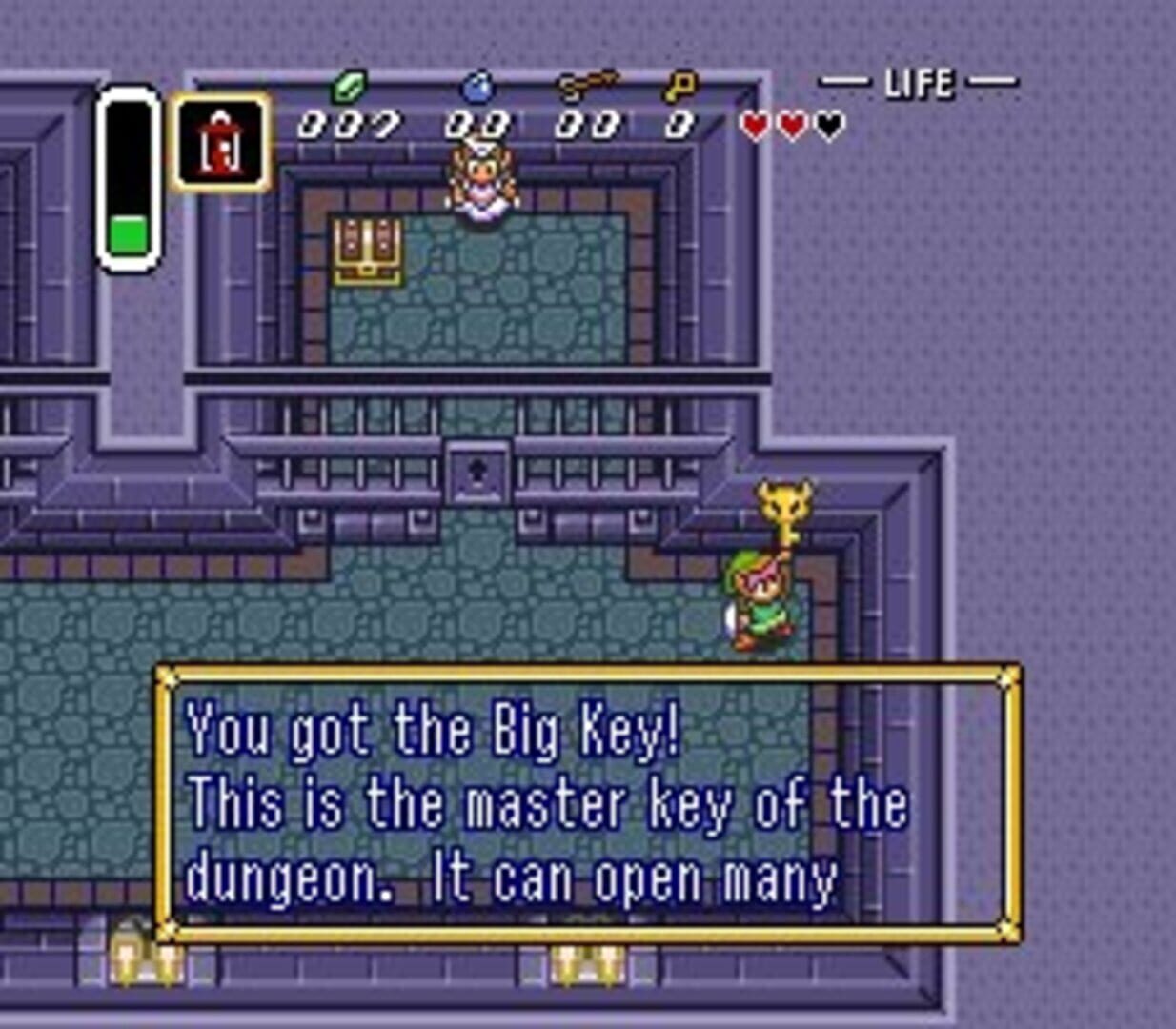
I almost left this off. The whole point of a contrarian list is to leave out the canon. But A Link to the Past isn't on every SNES top ten because people parrot each other. It's there because it's the Zelda blueprint. The dungeon design still teaches a class on how to layer mechanics. The Dark World pivot is one of the cleanest mid-game twists in any genre. I replay it every couple of years and I still find a heart piece I didn't know about. Leaving it off any honest SNES list is posturing, so it stays.
3. Super Metroid
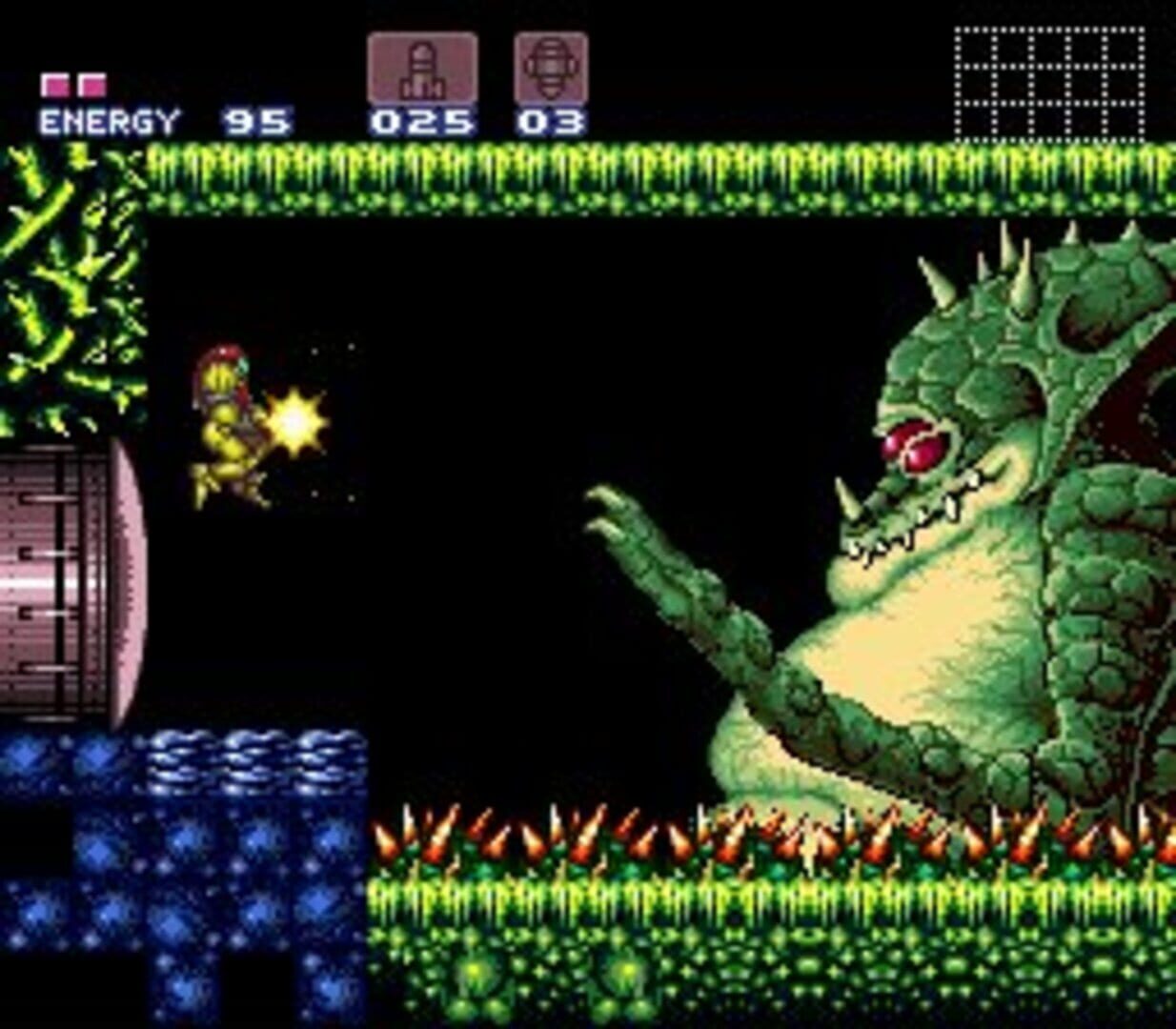
Same defense as Zelda. I'm not pretending Super Metroid is a deep cut. It's here because it's still the best Metroidvania ever made and I die on that hill. The first time you wall-jump out of a room the game has refused to teach you how to escape, with no tutorial and no reward chime, is one of the great quiet brags in game design. The world opens up in proportion to how hard you push on it. The arrival on Crateria still gives me chills. Twenty-some years on and the only games doing this better are the ones it taught.
4. Terranigma
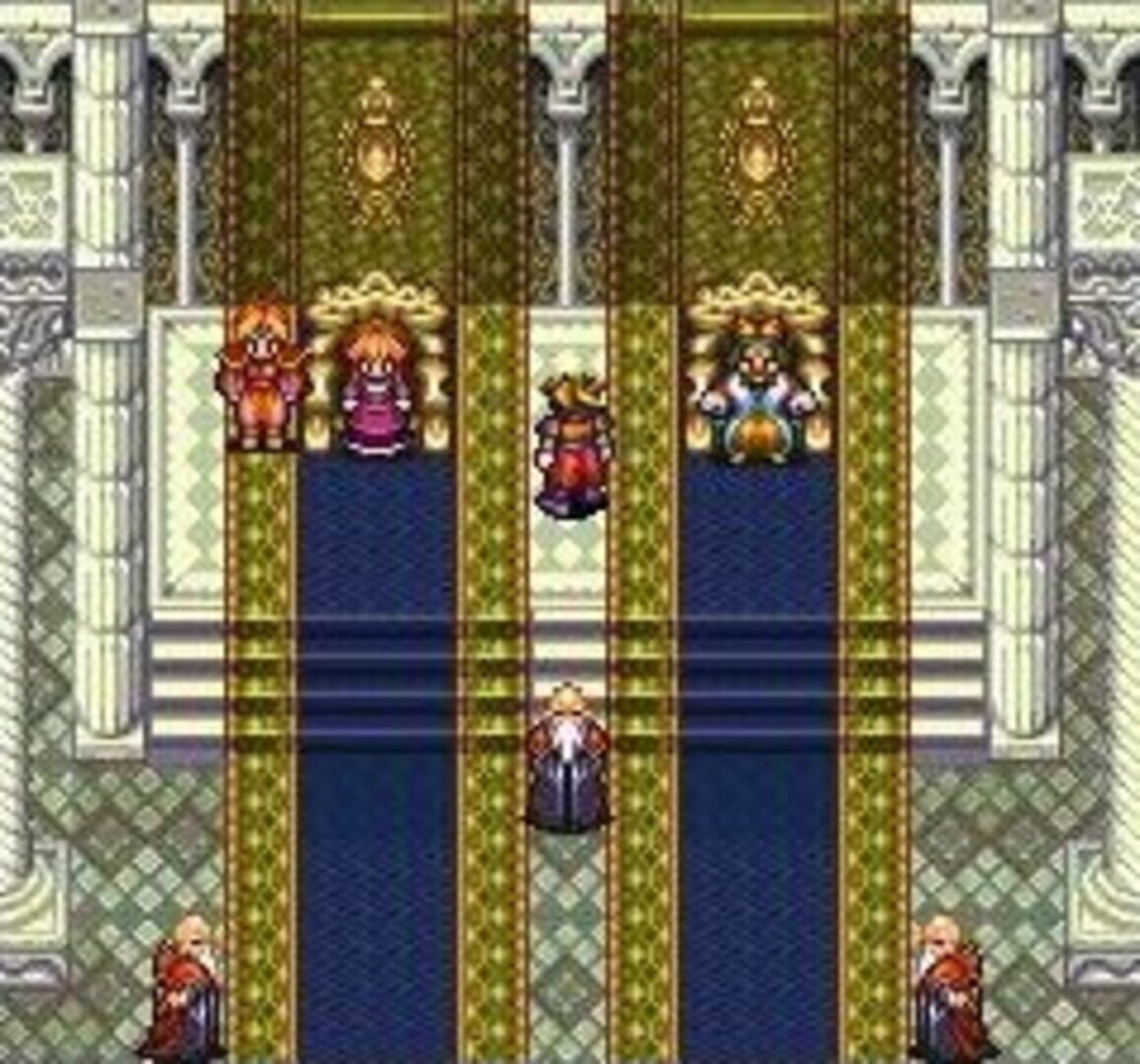
This is where the list starts being mine. Quintet's Soul Trilogy capper never came out in the US, which is a small tragedy. Terranigma is an action RPG where you literally rebuild the world. Continents first. Then forests, then animals, then people, then civilization, then the modern world. The plot has the gall to make you complicit in its tragedy, and the ending is one of the few in the genre that earns the word bittersweet. The combat is fine. The story is the reason. If you've never played it, the European ROM with the official translation is the version to grab.
5. Live A Live
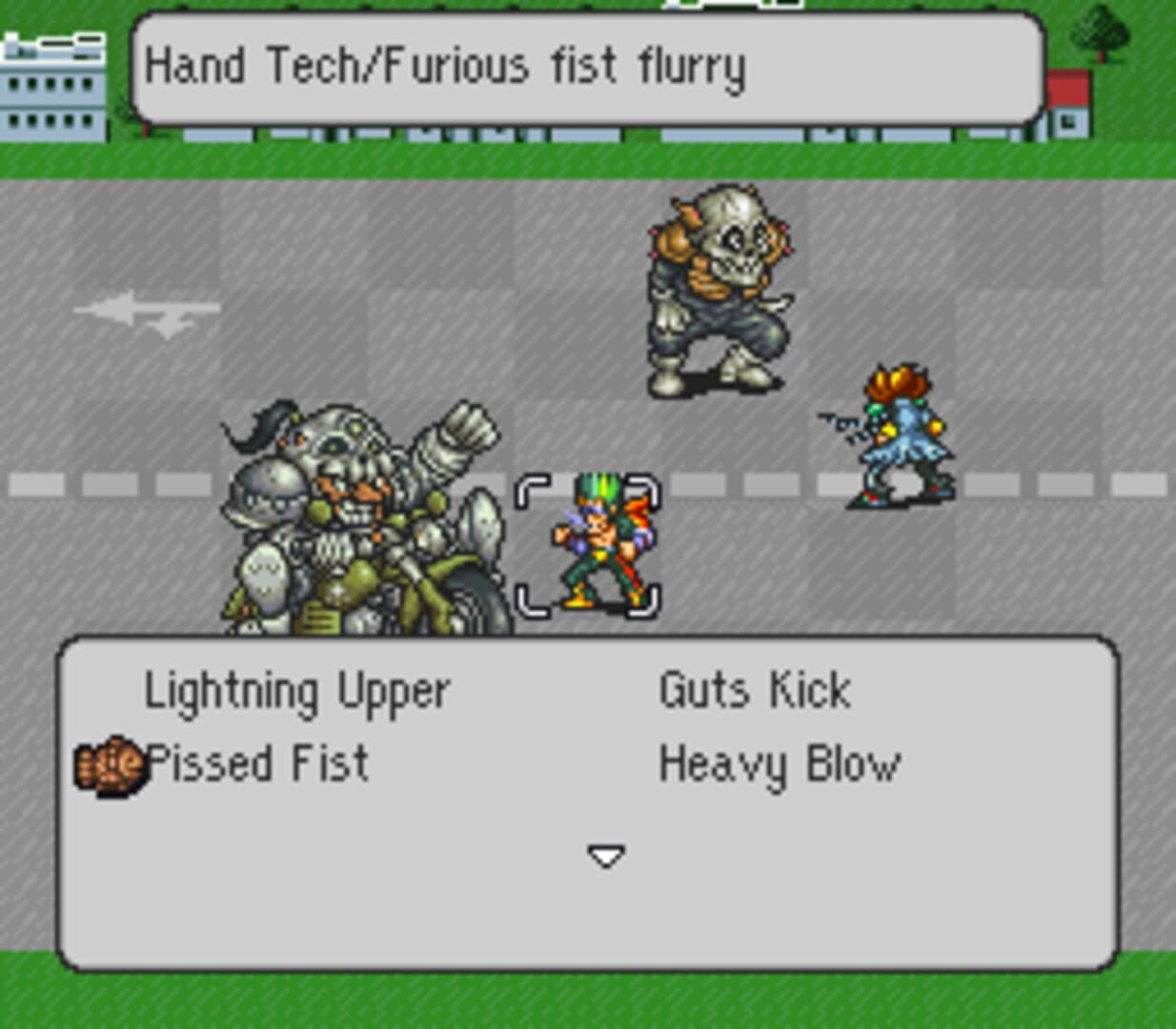
Until 2022, the rest of the world only knew this through a fan translation. The Switch remake is great, but I'm talking about the 1994 Super Famicom cart, because that's the one that proved Square was already way past Final Fantasy in 1994. Live A Live tells eight short stories across eight different time periods with eight different gameplay styles. A wuxia master raising students. A prehistoric hunter who can't speak. A mech pilot in a haunted lab. Then the final chapter ties them together in a way that recontextualizes the whole anthology. Games still rarely try this hard.
6. Demon's Crest
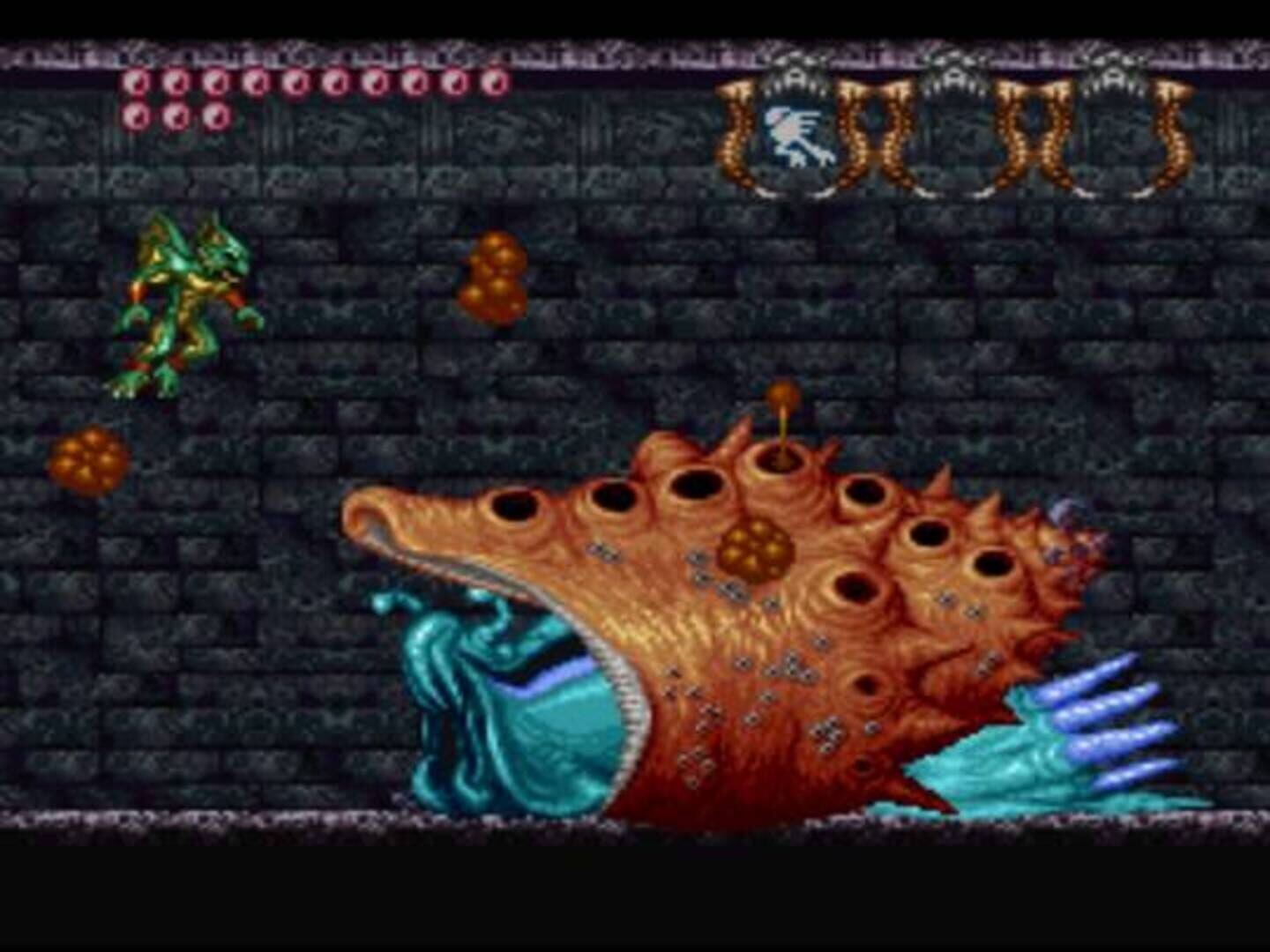
Capcom made an action platformer about playing the demon. You're Firebrand, the little gargoyle from Ghosts 'n Goblins, except now he's the protagonist and the world is gothic and dense and interconnected. You collect demonic forms that change how you traverse the map. There's a hidden true ending you'll only see if you find every secret. It's part Castlevania, part Mega Man, part proto-Metroidvania, and it sold like a dirge in 1994. I replay this one for the soundtrack alone, then stay for how rude the bosses are. Capcom never made another quite like it and I'm still mad.
7. Tactics Ogre: Let Us Cling Together
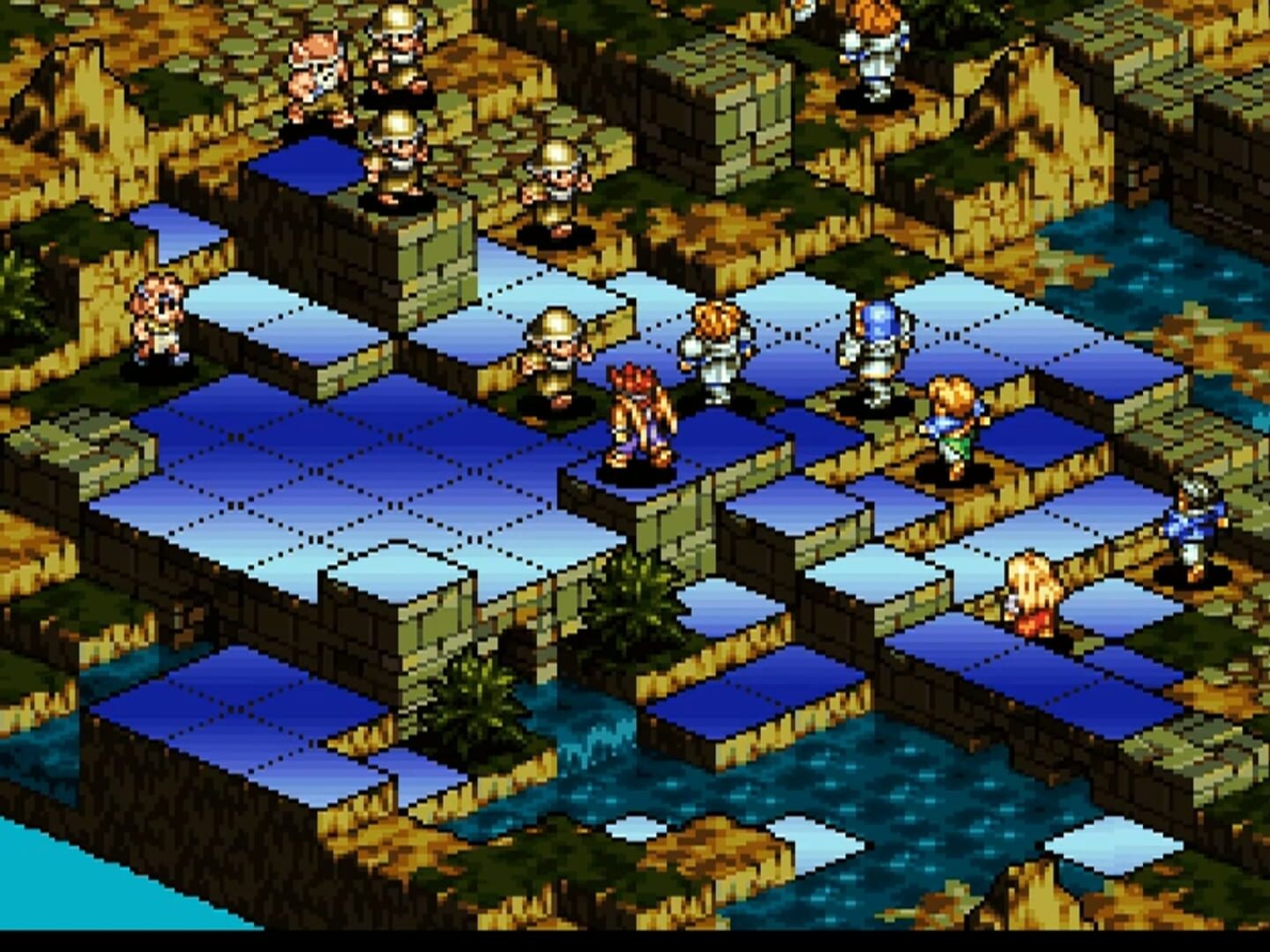
Final Fantasy Tactics gets all the credit. The credit belongs here. Yasumi Matsuno made Tactics Ogre two years before FFT and it's grimmer, harder, and more morally pointed. The branching paths force you to make choices about ethnic cleansing in a fantasy war and then watch the consequences play out across a dozen hours of strategy combat you can't take back. The English Super Famicom version is a fan translation; the PSP remaster and the recent Reborn are easier to find. The SNES cart is the one I keep on the shelf because it was first and it set the bar.
8. ActRaiser
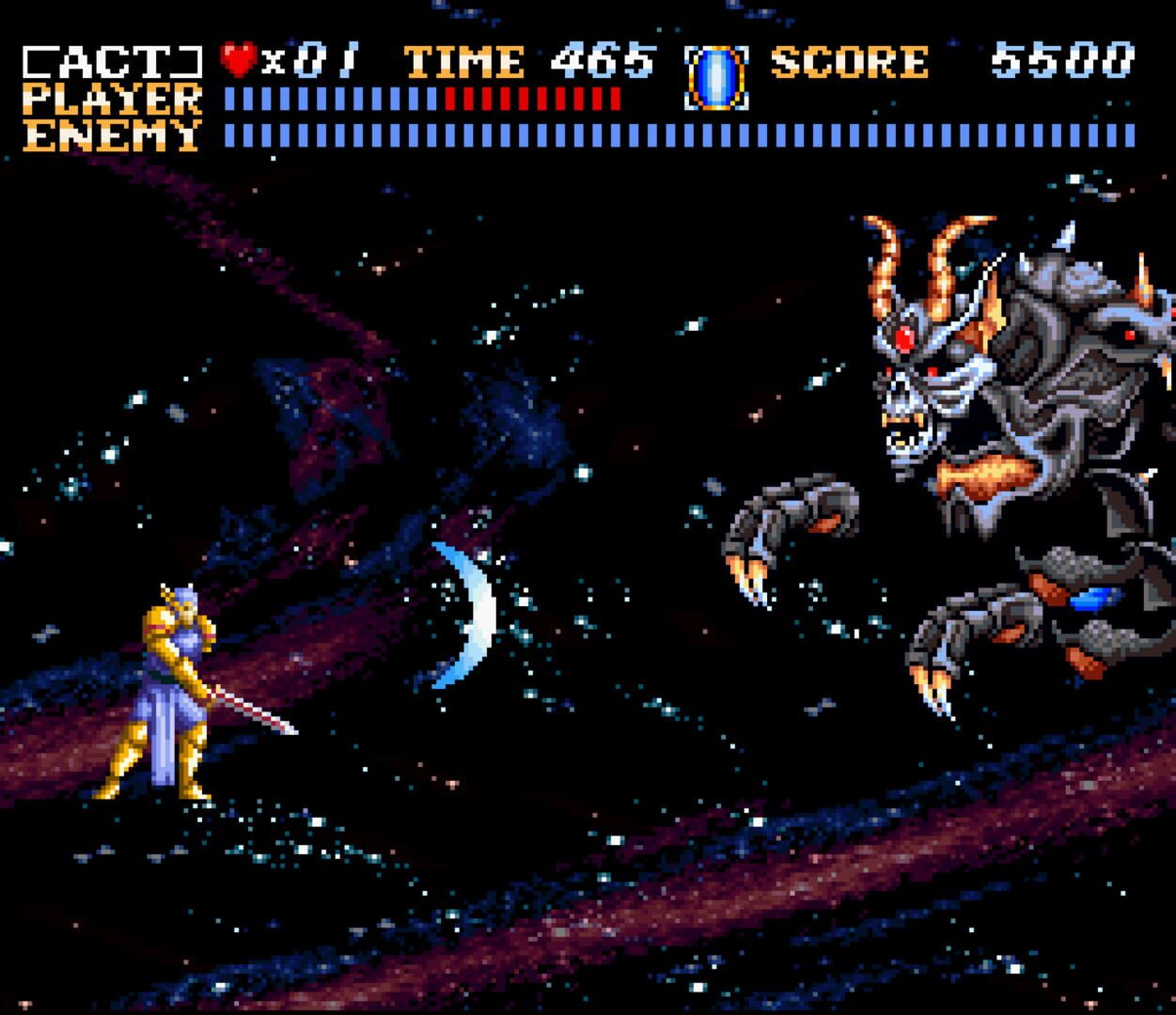
ActRaiser is a sim and a platformer and somehow neither half wrecks the other. You play a god rebuilding civilization through citybuilding stages, then you drop into your statue avatar for side-scrolling combat against demons threatening the regions you've grown. The tonal swap between the two halves should not work. It absolutely works. Yuzo Koshiro's score is one of the best on the system and he wasn't even at Square. I have tried to find a modern equivalent every few years and I haven't. The 2021 sequel was fine. The original is the one.
9. Star Ocean
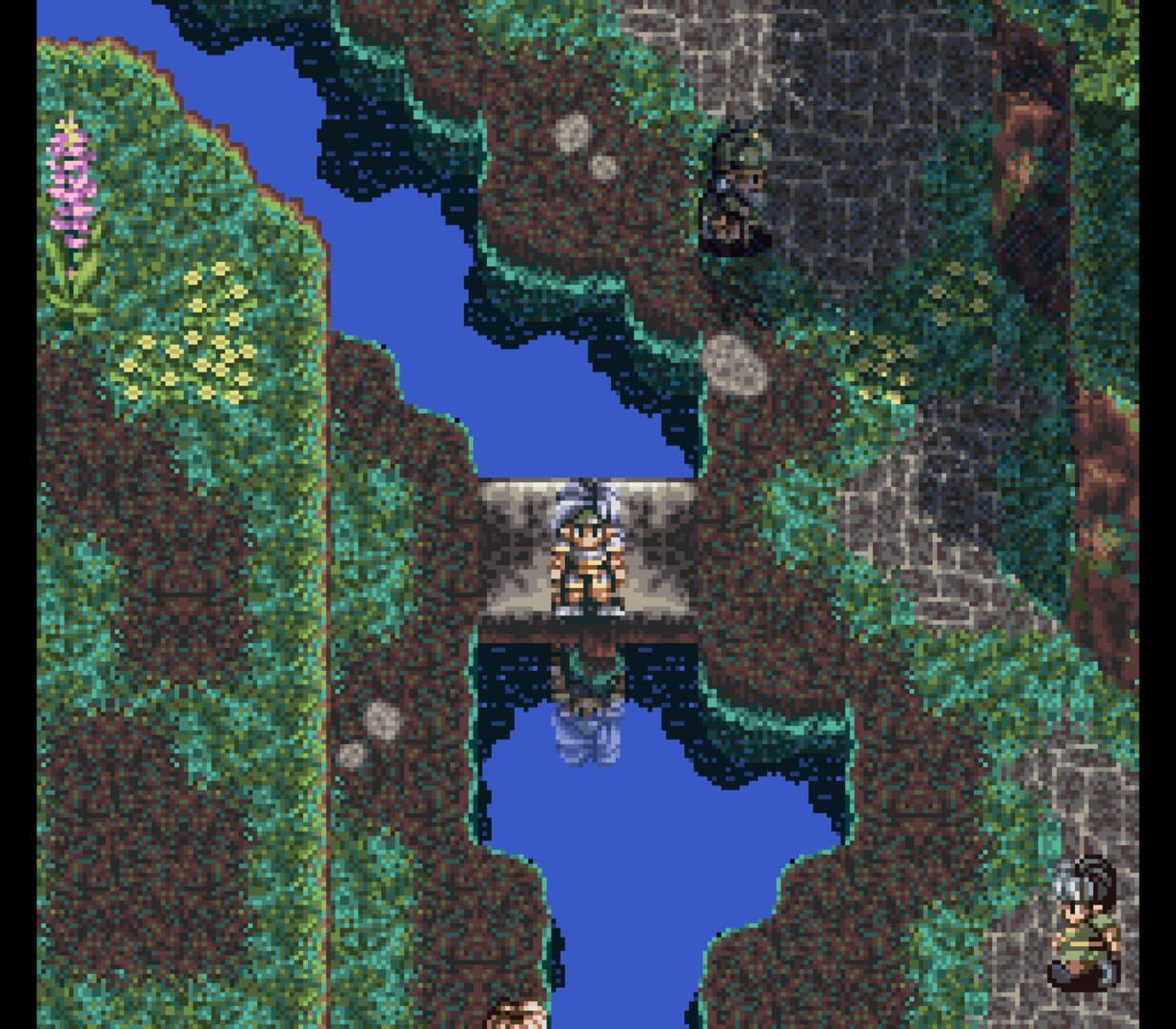
This came out in 1996, late enough that Enix had to bolt a custom S-DD1 chip onto the cartridge to make it run. It was Japan-only. It was the debut of the team that would later make the Tales series. It's also one of the most ambitious RPGs the SNES ever pushed. Real-time action combat. A private actions system where relationships between characters change based on conversations you choose to have. Multiple endings. A space-opera plot with a time travel back-half. The fan translation is how most of us played it and it's still worth the trip. The SNES had more left in it than anyone realized.
10. Mega Man X
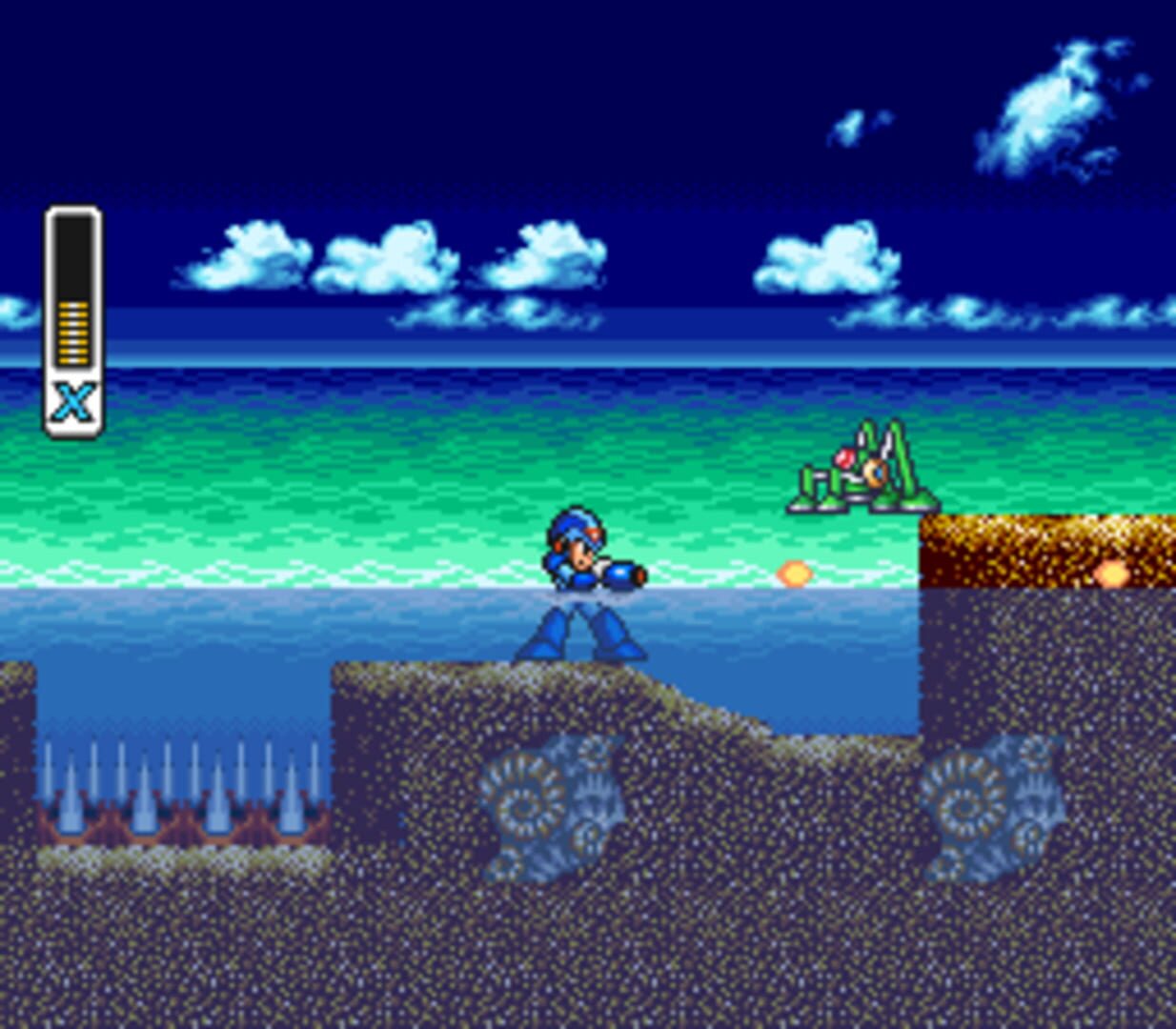
I'm closing on the most replayable action platformer on the system. Mega Man X is a tutorial in level design. The opening highway stage teaches you everything: dash, wall-jump, charge, pickup armor, fight Vile, get rescued by Zero, have a real reason to care about the rest of the game. After that you pick your boss order and the level design rewards you for figuring out the loop. I have run this enough times that I can no-death the intro without thinking and I still load it up at least once a year. It's clean. It's tight. It does exactly what it sets out to do.
That's my ten. Yours will be different and that's fine. If any of these are gathering dust in your library, drop them into your StackPop and let the random picker hand one back to you next week. That's how I caught Demon's Crest again last winter, and now we're here.
Did this land?