Post
In Defense of Final Fantasy VIII
The black sheep of the PS1 trilogy is also the most interesting. A real defense of Squall, Junction, and the orphanage twist everyone loves to mock.
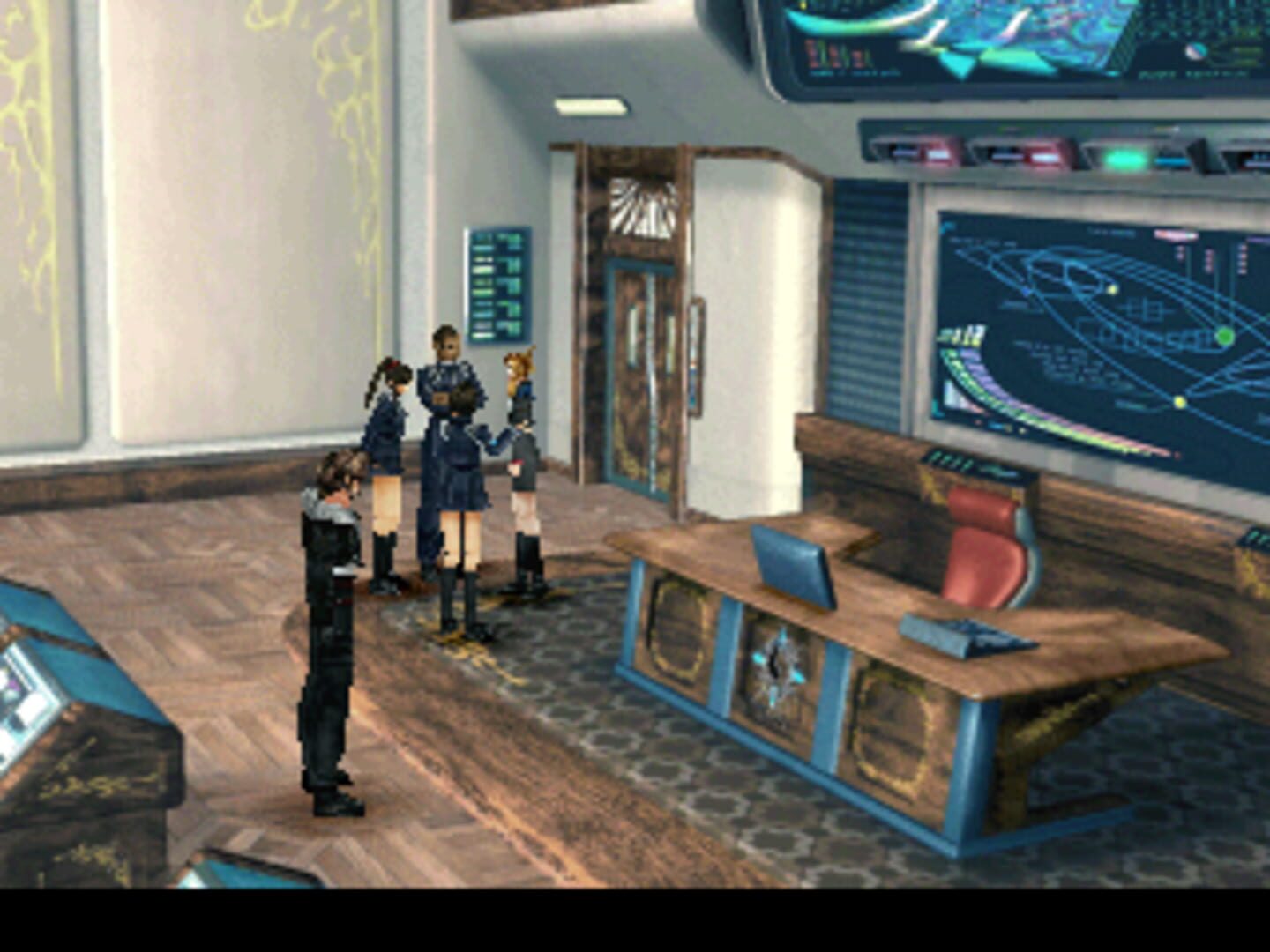
Every time the Final Fantasy ranking discourse cycles back around, I watch the same thing happen. People line up VI, IX, and VII in some order at the top. They argue about whether X belongs in the conversation. Then they get to VIII, shrug, and put it eighth on a list of nine. Sometimes ninth. And I'm tired of it. Final Fantasy VIII is the most interesting game in the PS1 trilogy and I will say that out loud at a party. The reason people don't rate it is that the things it does well are not the things its older siblings did well, and reviewers in 1999 were grading it on the curve from VII. Twenty-five years later we can stop doing that. Here is the actual case.
Junction is not broken, you are bad at it
The most common complaint about VIII is that the magic system is arcane and that you "have to" draw spells one at a time until your fingers fall off. This is true the way that "you have to grind levels in Pokemon" is true: only if you decide to do it the slow way. Junction is one of the cleanest character-building systems Square has ever shipped. You decouple character strength from level, you choose which spells get applied to which stats, and you make real tradeoffs about whether to actually cast your magic or save it as a stat buff. The card refinement loop turns Triple Triad, which is itself a stone classic side game, into your primary source of magic. By disc two you should be turning a stack of Quistis cards into 100 Cures and never drawing again. The game tells you this. Nobody listens, then they complain that the game made them draw.
The level scaling gets the same treatment. Enemies level up with you. People say this breaks the game. What it actually does is reward you for planning. Your levels stop being a power curve and start being a knob you can leave alone while you tune your junctions. The most powerful thing you can do in this game is hit level 10 and then refuse to fight a random encounter for fifteen hours. Nothing else in the series rewards that kind of weird, deliberate play.
Squall actually has an arc
The Squall takes are the worst takes. "He's emo." "He's a brick." "He's the worst protagonist in the series." These are all things said by people who skipped the textboxes. Squall is one of the only JRPG protagonists in his generation with an actual interior life rendered on screen. The game gives you his internal monologue in italics, in brackets, while the rest of the party is talking. He says nothing out loud, then you cut into his head and he is panicking, or he is genuinely upset, or, most often, he is trying very hard to convince himself that he doesn't care about anyone in this room. That gap between what he says and what he thinks is the entire arc. By Balamb Garden's mutiny in disc two, he is forced to lead a coup he never wanted, and the italics start saying things he actually means out loud. By the time disc three opens with the love scene in space, the gap is gone. He is, on screen, a person who has learned to want people.
That is a real character arc. It is more interior than Cloud's, who gets resolved by a literal flashback dump in a chocobo stable. It is more visible than Zidane's, who is great but doesn't really change. Squall changes. The game just makes you do some reading for it.
The orphanage twist is fine, actually
This is the one people love to dunk on. Halfway through disc two, the cast realizes they all grew up in the same orphanage and forgot about it, because GFs cause memory loss. People treat this as an asspull. It isn't. The game has been telling you that GFs cause memory loss every time you junction one to a character, from disc one. There's an item description. There's an in-game tutorial. There's a side conversation. Headmaster Cid mentions it. Edea built the orphanage. The pieces are all on the table. The reveal is paid for. The reason it lands as cheesy is the staging, which is admittedly very 1999, with the music swelling and Selphie going "wait a minute" out loud. But the mechanic that makes the twist work, that the entire party has been losing their childhood memories in trade for combat power, is one of the most thematically integrated systems in any JRPG. The thing you do to get strong is the thing that took your friends away from you. That is the game.
The dance scene is the best cinematic of the era
I am not even going to argue this one carefully. The dance scene at the SeeD graduation ball, with Eyes on Me kicking in and Rinoa dragging Squall onto the floor and him stepping on her foot and the camera doing that slow circle pan, is the best thing 1999 video games produced. The animators put real weight into the body language. The choreography is staged like a film. The song does the rest. I have watched it on YouTube probably forty times. It still works. Compare it to the contemporaneous cinematics in any other game on the system and there is nothing close. We were so busy in 1999 being mad about junction that we did not give Square credit for what they were quietly doing with their cutscene budget. They were inventing modern video game romance, and they did it in three minutes.
Replay it
This is the part of the post where I'm supposed to tie it back to the app, so here it is. Final Fantasy VIII is a game that benefits from a replay with no expectations and no GameFAQs tab open. If your PS1 disc is sitting in a binder, or your Steam copy is one of two hundred unplayed games on your account, drop it in your StackPop and let the picker hand it back to you on a Saturday morning. Triple Triad alone is worth the entry fee. Go see who's still playing it on StackPop. The rest of it is the most interesting Final Fantasy nobody talks about. I will keep banging this drum until people stop sleeping on it.
Did this land?