Post
Five Things StackPop Is Good For, and One Thing It Isn't
An honest post about what the picker actually helps with, and the one thing I built it to explicitly not do.
I built StackPop because I couldn't pick a game on a Tuesday night. That is still what it does. But it does a few other useful things now, and there's one very specific thing I don't want it to do, and I've never actually written that down. So here's the honest version. Five things this app is genuinely good for, and one thing I don't want it to be, followed by a note on why the last one matters.
1. Getting you off the couch and into a game
This is the whole reason it exists. You own 137 games. You've owned some of them since 2016. You are going to play Skyrim for the fourth time again, aren't you. StackPop's job is to hand you one game and let you say yes or no. That's it. Skip if you're not in the mood. Pop again. Try again. On a normal Tuesday I get to my second or third pop before I find one I actually want. The game it hands you isn't pulled out of a hat. It leans on what you've actually been playing and how much time you tend to have, so the pick usually lands somewhere close. But the real trick isn't the matching. It's that the decision leaves your hands.
2. Rediscovering the middle shelf of your library
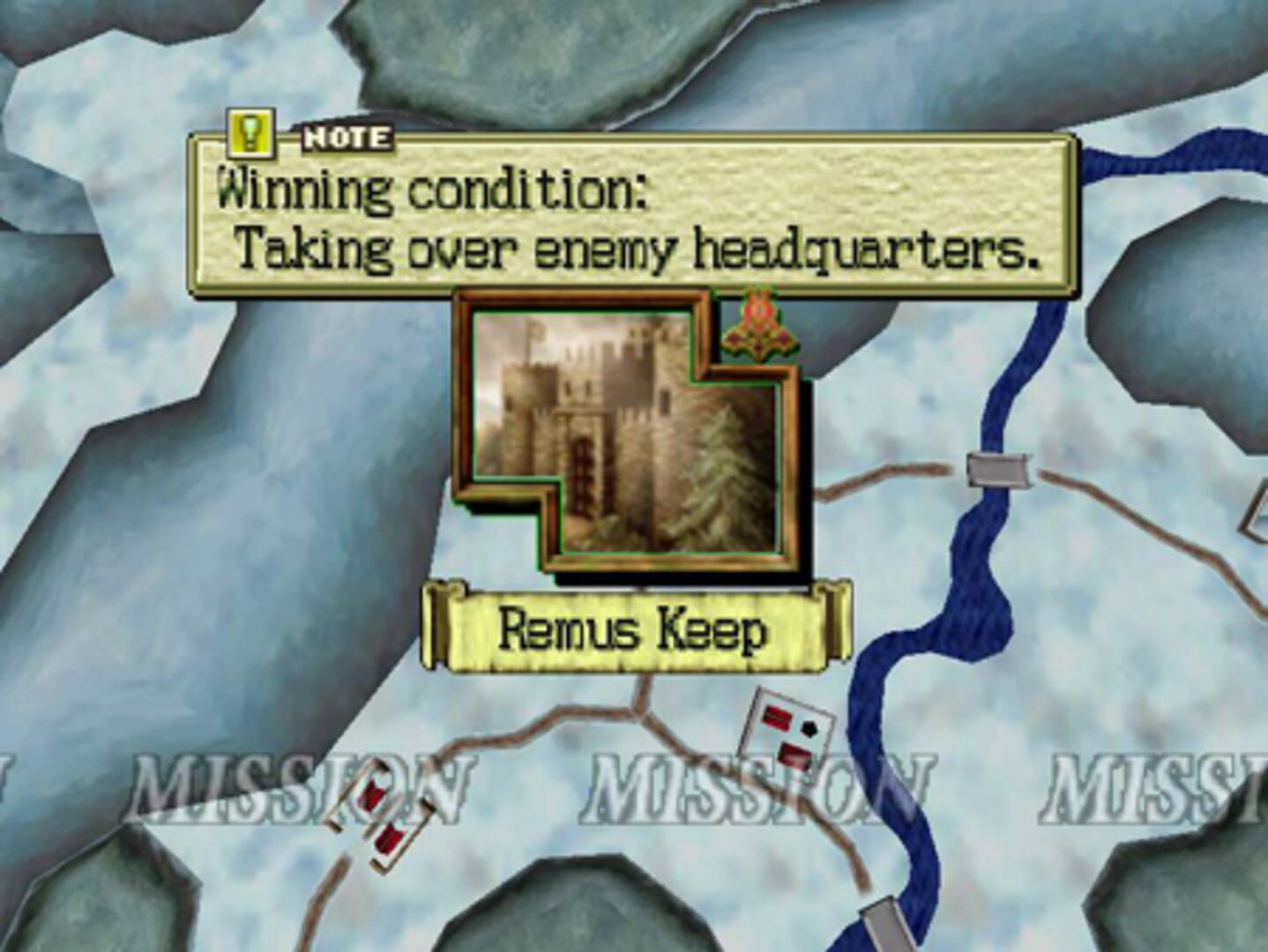
Everybody has a shape to their library. There's the twenty games you've played a lot. There's the ten you're planning to play soon. Then there's the middle shelf: sixty or eighty games you bought during a Steam sale in 2021 and legitimately do not remember owning. StackPop spends most of its energy on that middle shelf. That's where it earns its keep. Last month it handed me Ogre Battle 64, a game I'd owned for years and never gotten more than an hour into, and I ended up losing a whole weekend to it. A store's recommendation engine would never show me that. Those engines push whatever's new or whatever everyone else is buying right now. StackPop was going off what I actually play, not what's trending, and a twenty-five-year-old tactics game turned out to be exactly the right call.
3. Making a short evening feel worth starting
I'm a busy engineer. My gaming hours are between 9:30 and 11 on the nights I get any. The worst version of this is spending 40 of those 90 minutes bouncing between menus trying to decide what to load. StackPop's whole opinion about your evening is: here's a game, here's the time-to-beat estimate, here's whether people say it has good early-game hooks. Load or skip. On the nights I use it, I play for about 80 of the 90 minutes. On the nights I don't, I lose more than half the time to indecision. That gap is entirely the reason I still work on this app.
4. Seeing your Steam and Xbox time without opening either
The nicer surprise of building StackPop was that the playtime tracking became useful on its own. Steam already tracks your hours, but you have to open Steam to see them. Xbox tracks nothing per-title with any granularity. StackPop pulls both into one library view, and I use that view a lot more than I expected. When I'm deciding whether to keep going with Persona 5 Royal or shelve it for a bit, seeing that I've put 62 hours in changes the answer versus seeing that I've put 8. That readout is not exciting to describe. It ends up mattering.
5. Making a small stack feel like a plan, not a chore
The Stacks view is the newer half of the app. You put eight games in a stack, name it whatever you want ("Winter RPGs," "Short games to finish before June," "Games I'm halfway through and lying to myself about"), and the picker pulls from that stack instead of your whole library. This turns out to be the difference between "I own 137 games and I'm paralyzed" and "I have 8 games I said I'd try, so give me one of those." Smart Top up refills the stack when it gets low, using what you've actually played on similar nights, and the whole thing feels like a rotation. Rotations are calm. Backlogs are not.
And one thing it isn't: a way to beat your backlog
I want to be direct about this. StackPop is not a completion tracker. It's not going to reward you for finishing games. It's not going to shame you for a low completion percentage. There is no "beat the backlog" mode in the works and there won't be. This is a deliberate design position, not a feature I haven't gotten to. Every gaming-adjacent productivity tool I've seen turns hobby time into a to-do list within about six months, and I don't want to make one more of those. I want a picker that hands you a game you already own so you can enjoy an evening. If you finish the game, great. If you play four hours and put it back, also great. If you play twenty minutes and hate it, that is a totally valid outcome and the word we use for it inside the app is "popping," not "completing."
The distinction sounds like semantics. It isn't. It's the whole vibe. The moment the app starts congratulating you for reaching an arbitrary number of finished games per year, it stops being a friend and starts being a boss. I have a boss. I don't want a second one on my couch at 10 PM. So we keep the framing at "enjoying" and "rediscovering" and I push back on every feature request that pulls it toward "conquering." Some of those requests are entirely reasonable and I still say no.
If any of this sounds like what you actually want out of your library, drop your games in at stackpop.app and let the picker hand you one this weekend. If what you want is a leaderboard, this is not going to be the app for you, and I say that with love.
Did this land?